Why GWARP Rescues in Azerbaijan
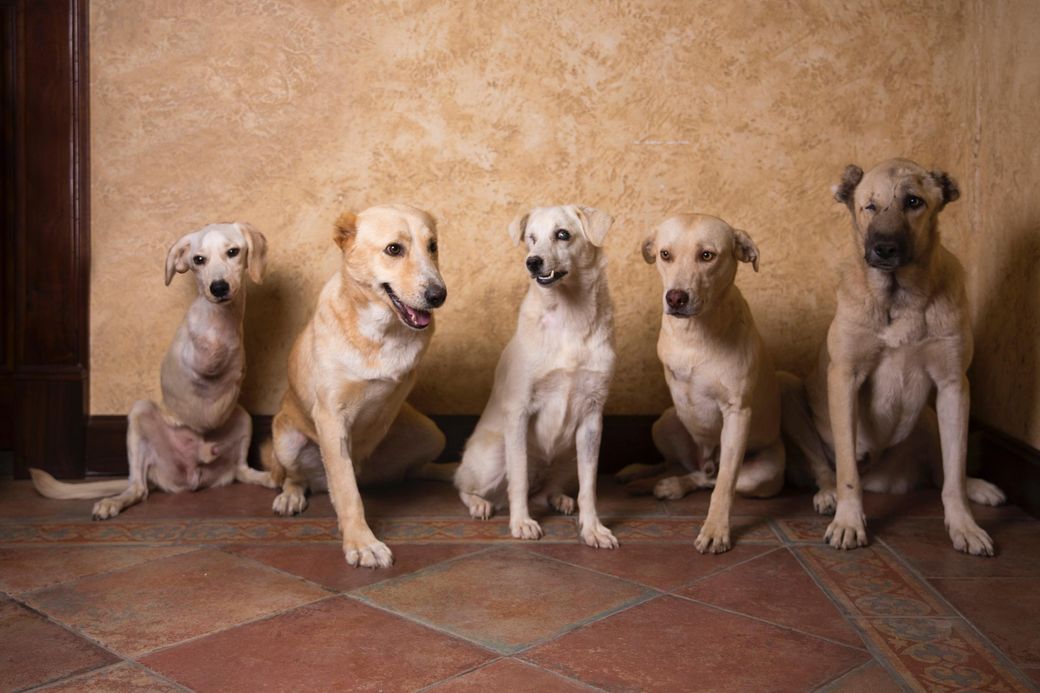
The animals GWARP serves are not lacking resilience. They are lacking protection, resources, and somewhere safe to go.
- 2019 Founded
- 700+ Animals In Care
- 600+ Flown Since 2019
- Shelter Hundreds of dogs and cats rely on GWARP for food, shelter, veterinary care, and protection.
- Rescue GWARP prioritizes severe cruelty, injury, disability, neglect, and cases other groups may consider too difficult.
For a Stray Animal, There May Be No Safety Net.
GWARP describes a country where stray dogs and cats face hunger, traffic injuries, deliberate cruelty, poisoning, shooting, attacks, and government culling with little meaningful protection available to them.
That is the environment in which GWARP was founded in 2019. The organization did not build its mission around easy-to-place animals. It chose the cases most likely to be left behind.
The hardest cases are not hopeless. They are the animals most urgently in need of someone willing to try.
The Cases Other People Call Hopeless.
Dogfighting survivors. Paralyzed animals. Seniors. Blind animals. Dogs hit by cars. Animals burned, disfigured, starved, or found after catastrophic neglect. Those are not exceptions to GWARP's work; they are the reason the organization exists.
Today the shelter cares for more than 600 dogs and 100 cats. Some will heal and eventually travel to adoptive homes. Others will remain in sanctuary care because a safe life matters even when adoption is not possible.
Rescue, Prevention, and a Way Out.
GWARP has helped spay and neuter more than 5,000 stray dogs and cats and has flown more than 600 animals to the United States and Canada since 2019.
Those numbers represent three different kinds of work: saving the animal in immediate danger, reducing future suffering before it begins, and creating a path from a shelter in Azerbaijan to a permanent home thousands of miles away.
Help GWARP Keep Saying Yes.
Severe cases cost more, stay longer, and need more veterinary care. They are also the animals least able to survive without someone choosing them.
For a Stray Animal, There May Be No Safety Net.
GWARP describes a country where stray dogs and cats face hunger, traffic injuries, deliberate cruelty, poisoning, shooting, attacks, and government culling with little meaningful protection available to them.
That is the environment in which GWARP was founded in 2019. The organization did not build its mission around easy-to-place animals. It chose the cases most likely to be left behind.
The hardest cases are not hopeless. They are the animals most urgently in need of someone willing to try.
The Cases Other People Call Hopeless.
Dogfighting survivors. Paralyzed animals. Seniors. Blind animals. Dogs hit by cars. Animals burned, disfigured, starved, or found after catastrophic neglect. Those are not exceptions to GWARP's work; they are the reason the organization exists.
Today the shelter cares for more than 600 dogs and 100 cats. Some will heal and eventually travel to adoptive homes. Others will remain in sanctuary care because a safe life matters even when adoption is not possible.
Rescue, Prevention, and a Way Out.
GWARP has helped spay and neuter more than 5,000 stray dogs and cats and has flown more than 600 animals to the United States and Canada since 2019.
Those numbers represent three different kinds of work: saving the animal in immediate danger, reducing future suffering before it begins, and creating a path from a shelter in Azerbaijan to a permanent home thousands of miles away.