Mission Two With FOUR PAWS
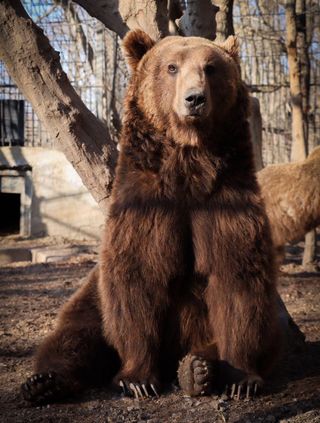
Nine bears received veterinary treatment in one mission. Dental disease, blindness, infection, sterilization, vaccination, and a mammary tumor all had to be addressed animal by animal.
- 9 Bears Treated
- FOUR PAWS Partner
- Dental · Eye · Tumor Major Procedures
A Tooth Infection Had Been Allowed to Spread for Years.
Dunbar is a blind bear whose examination during the first FOUR PAWS mission revealed a longstanding dental infection. GWARP reported that the infection had spread toward his ear and eyes, contributing to severe damage and blindness.
His diseased teeth were extracted during the first mission. On the second visit, he had to undergo anesthesia again so an infected eye could be amputated.
The Mission Was Much Bigger Than One Surgery.
Masha and her cubs were examined, sterilized, and vaccinated, and Masha required bad teeth to be removed. Five bears living in a restaurant yard on hotel property needed multiple dental extractions.
Another bear was found to be blind. Afina had a large mammary tumor removed. Across nine animals, the mission uncovered what prolonged captivity and lack of veterinary access can quietly do to a body.
Treatment Is One Step. A Better Place to Live Is the Next.
GWARP said some of the bears had been identified as possible candidates for relocation to sanctuaries abroad. That distinction matters: medicine can stop pain and infection, but long-term welfare also depends on where an animal wakes up after the anesthesia wears off.
The collaboration with FOUR PAWS brought specialist veterinary resources into Azerbaijan for animals who had already waited far too long for them.
Help Create the Next Safe Arrival.
Stories like this are built from veterinary care, shelter costs, foster homes, transport, and people willing to fund the next step before the ending is known.
A Tooth Infection Had Been Allowed to Spread for Years.
Dunbar is a blind bear whose examination during the first FOUR PAWS mission revealed a longstanding dental infection. GWARP reported that the infection had spread toward his ear and eyes, contributing to severe damage and blindness.
His diseased teeth were extracted during the first mission. On the second visit, he had to undergo anesthesia again so an infected eye could be amputated.
The Mission Was Much Bigger Than One Surgery.
Masha and her cubs were examined, sterilized, and vaccinated, and Masha required bad teeth to be removed. Five bears living in a restaurant yard on hotel property needed multiple dental extractions.
Another bear was found to be blind. Afina had a large mammary tumor removed. Across nine animals, the mission uncovered what prolonged captivity and lack of veterinary access can quietly do to a body.
Treatment Is One Step. A Better Place to Live Is the Next.
GWARP said some of the bears had been identified as possible candidates for relocation to sanctuaries abroad. That distinction matters: medicine can stop pain and infection, but long-term welfare also depends on where an animal wakes up after the anesthesia wears off.
The collaboration with FOUR PAWS brought specialist veterinary resources into Azerbaijan for animals who had already waited far too long for them.